
Osmia lignaria
Summary
| Type |
organism
|
|---|---|
| Genus |
Osmia
|
| Species |
lignaria
|
| Common Name |
Orchard mason bee
|
| Genome Browser | |
| Description |
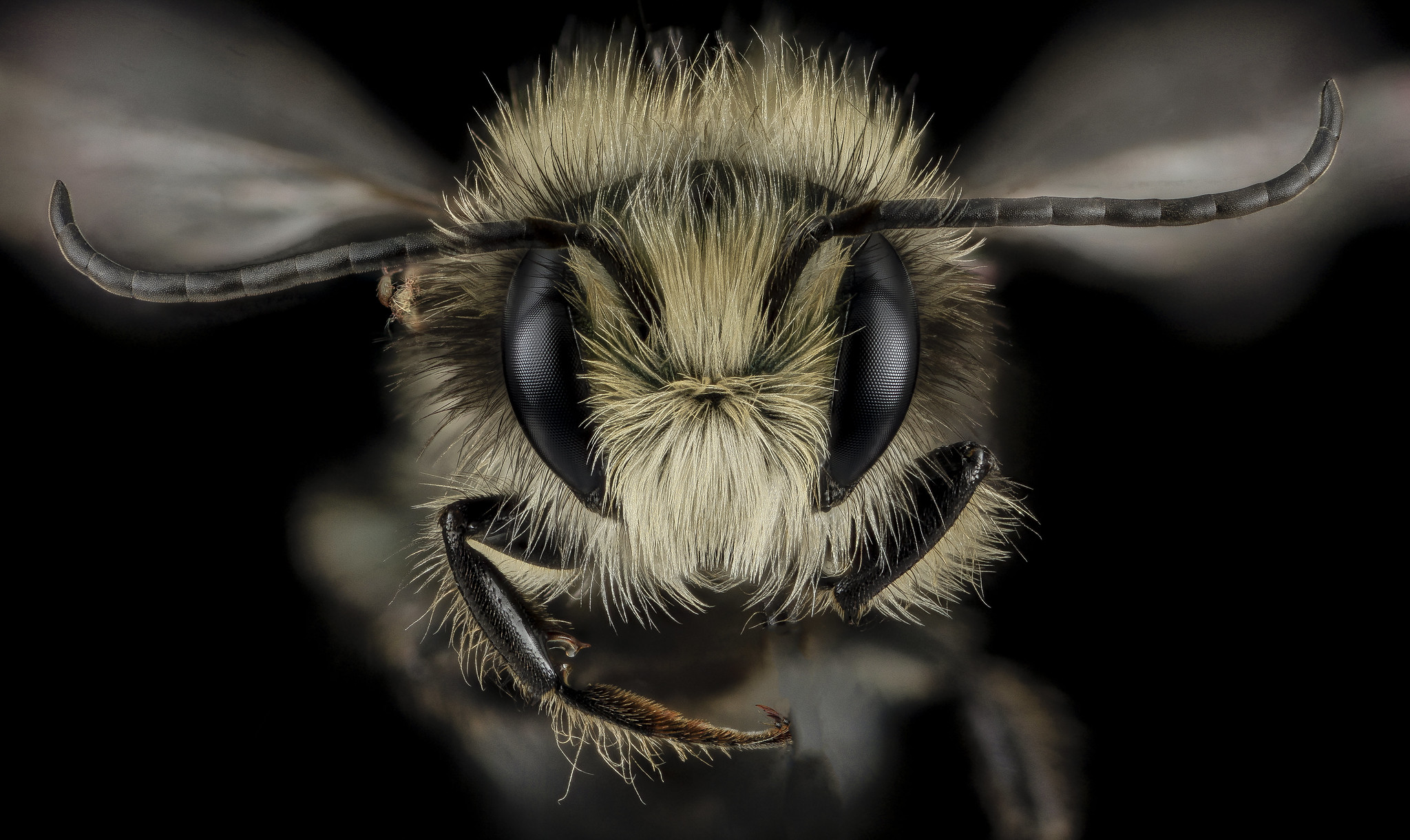
Osmia lignaria, commonly known as the orchard mason bee or blue orchard bee, is a megachilid bee that makes nests in reeds and natural holes, creating individual cells for its brood that are separated by mud dividers. Unlike carpenter bees, it cannot drill holes in wood. O. lignaria is a common species used for early spring fruit bloom in Canada and the United States, though a number of other Osmia species are cultured for use in pollination. This dataset is not published - please follow Toronto/Ft. Lauderdale conditions of data re-use. Text credit:https://en.wikipedia.org/wiki/Osmia_lignaria |
| Organism Image |
|
| Image Credit |
By Sam Droege- Osmia lignaria, M, Face, VA, Virginia Beach City_2014-04-13-15.42.51 ZS PMax, Public Domain, Link |
Assembly Stats
| Contig N50 |
5,475,884 |
|---|---|
| GC Content |
39.33 |
| Scaffold N50 |
NA |
Other Information
| Community Contact |
Julia Bowsher, North Dakota State University |
|---|---|
| Links |
Analyses
| Name | Program | Status Sort descending |
|---|---|---|
| Osmia lignaria genome assembly USDA_OLig_1.0 (GCF_012274295.1) | SMRT Link | Current |
| NCBI Osmia lignaria Annotation Release 100 | NCBI Eukaryotic Genome Annotation Pipeline | Current |
| Functional annotation of NCBI Osmia lignaria Annotation Release 100 | AgBase functional annotation pipeline | Current |